Match available documentation to the applicable research material and batch.
Batch documentation availableReview available analytical information for the selected research material.
Research Use Only
Laboratory Research Materials
RetaHQ research products are offered exclusively for laboratory research, analytical, and scientific applications. Not for human or veterinary use.
01Research Product Information
RetaHQ supplies compounds intended for controlled laboratory research and analytical applications.
- For research and analytical use only
- Not intended for human consumption or administration
- Not intended for veterinary use
- Not represented as a drug, medicine, or therapeutic product
- Laboratory researchers are responsible for appropriate protocols and controls
Research Only
Laboratory Material
Analytical Use
02Lyophilized Product Format
Where applicable, RetaHQ research materials are supplied in lyophilized form.
Lyophilization is a freeze-drying process used to remove moisture from material under controlled conditions.
- Material appearance may differ between compounds and production lots
- Lyophilized material may appear as a cake, film, or fragmented material
- The quantity of visible material may appear small relative to vial size
- Visual appearance alone does not establish identity or purity
03Storage & Laboratory Handling
Storage requirements may vary by compound, formulation, and production lot. Refer to the product label and available product-specific documentation.
- Protect research materials from excessive heat
- Limit unnecessary exposure to direct light and moisture
- Keep containers securely closed when stored
- Follow product-specific temperature requirements when provided
- Use appropriate laboratory contamination-control procedures
04Packaging & Quality Documentation
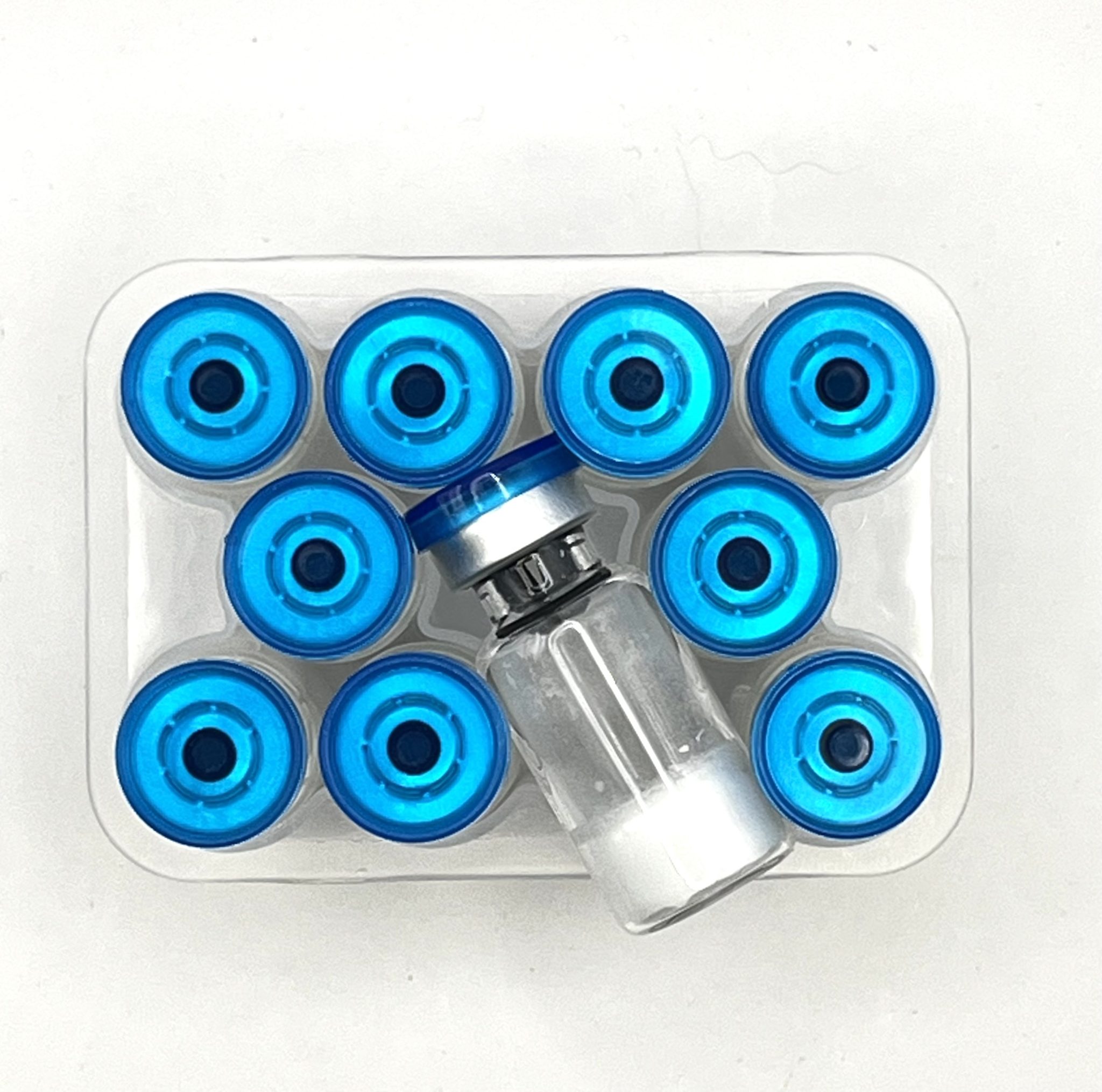
Packaging components may vary slightly between production lots. This can include vial closures, cap styles, label positioning, and external packaging.
- Check the product label and lot identifier before laboratory use
- Inspect the vial and closure for visible shipping damage
- Packaging design may differ between batches
- Lot-specific analytical documentation may be available in our COA library
RETAHQ RESEARCH CATALOG
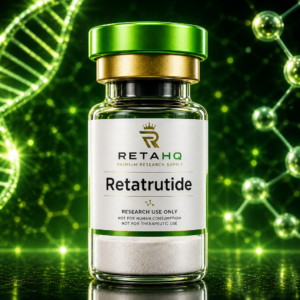
Retatrutide Peptide (Reta) – Wholesale 10-Vial Kits
Research Material
Batch Documentation
Secure Checkout
Price range: $310.00 through $800.00
Price per mg—
Premium-grade Retatrutide peptide for laboratory research.
✔ 99%+ purity
✔ Third-party COA verified
✔ Same-day fast shipping
USA · Canada · EU stock
01Research focusedLaboratory research materials
02DocumentedAvailable batch information
03TrackedOrder fulfillment updates
Secure payment
VISA
link
$
₿
For laboratory and research purposes only.Not intended for human consumption, diagnostic use, therapeutic use, or administration to humans or animals.
View Documentation →
Retatrutide Research Reference
Retatrutide is an investigational peptide compound also identified by the development code LY3437943. It has attracted significant scientific interest because its published pharmacological profile involves three distinct receptor systems: the glucose-dependent insulinotropic polypeptide receptor (GIPR), glucagon-like peptide-1 receptor (GLP-1R), and glucagon receptor (GCGR).
RetaHQ provides Retatrutide research materials alongside compound-reference information intended to help researchers identify the material, understand its scientific classification, and locate relevant analytical documentation.
Retatrutide • LY3437943 • GIPR • GLP-1R • GCGR • Research Material • Analytical Documentation
Retatrutide / LY3437943 Compound Identity
Retatrutide and LY3437943 refer to the same investigational research compound. LY3437943 is the development identifier widely used in scientific literature, clinical-trial records, and public compound databases.
Official name: Retatrutide
Development identifier: LY3437943 / LY-3437943
CAS Registry Number: 2381089-83-2
FDA UNII: NOP2Y096GV
Substance class: Peptide
Published receptor profile: GIPR, GLP-1R and GCGR
These identifiers describe the published Retatrutide reference substance. They should not be confused with analytical results for an individual physical research sample or production lot.
Why Retatrutide Is Classified as a Triple Receptor Agonist
A defining feature of Retatrutide research is its reported activity across three receptor systems rather than a single receptor target.
GIPR — Glucose-Dependent Insulinotropic Polypeptide Receptor
GIPR is one of the three receptor systems associated with the published pharmacological profile of Retatrutide. It is part of the broader incretin-receptor family studied extensively in metabolic and cellular signaling research.
GLP-1R — Glucagon-Like Peptide-1 Receptor
GLP-1R is another receptor associated with Retatrutide. GLP-1 receptor signaling is widely investigated in metabolic, endocrine, and receptor-activation research.
GCGR — Glucagon Receptor
GCGR completes the three-receptor profile associated with Retatrutide. The inclusion of glucagon-receptor activity distinguishes the compound’s published pharmacological classification from compounds primarily associated with one or two of these receptor systems.
Together, these relationships are why scientific resources commonly describe Retatrutide as a GIPR/GLP-1R/GCGR triple receptor agonist.
Retatrutide as an Investigational Research Compound
Retatrutide remains an investigational compound and continues to be studied through an extensive clinical-development program.
Scientific literature and registered studies provide useful information about the reference molecule, its receptor activity, molecular characteristics, and experimental history.
That information does not establish the characteristics of every independently manufactured physical sample. For laboratory material, researchers should distinguish published compound information from batch-specific analytical evidence.
Retatrutide Research Material
RetaHQ supplies Retatrutide in multiple research-material configurations to accommodate different laboratory requirements.
Available quantities and configurations are displayed through the product selector. Rather than creating separate pages for every quantity, related variations remain consolidated within the primary Retatrutide product record.
This structure keeps product identity, supporting research information, and applicable analytical documentation associated with a central Retatrutide resource.
Retatrutide 10-Vial Research Kits
For laboratories requiring multiple samples, RetaHQ also provides Retatrutide 10-vial research kits.
A 10-vial configuration provides multiple vials of the selected nominal research quantity within one product format. Current quantities, availability, and pricing should be referenced from the live product selector.
For larger research requirements, multi-vial formats can provide a more practical procurement structure than ordering individual research vials separately.
Retatrutide Analytical Documentation
From Compound Identity to Physical Sample
There are two different types of evidence that researchers should distinguish.
Reference-compound information establishes what Retatrutide is. Resources such as GSRS, PubChem, scientific literature, and registered studies establish identifiers including Retatrutide, LY3437943, CAS 2381089-83-2, and its published receptor classification.
Analytical documentation relates to a physical sample. Laboratory reports may provide measurements and identifying information associated with the material submitted for analysis.
The two complement one another, but they are not interchangeable.
Batch Traceability & COA Records
Where analytical documentation is available, researchers should compare the identifying information associated with their material with the corresponding analytical record.
A useful traceability chain is:
Retatrutide → Product Configuration → Production Lot → Analytical Sample → Laboratory Report
Maintaining this relationship helps prevent an analytical report from being incorrectly treated as universal evidence for unrelated production lots.
RetaHQ maintains available Certificates of Analysis and supporting analytical records in its research-documentation section.
Retatrutide vs. Tirzepatide
Retatrutide and Tirzepatide are separate research compounds and should not be treated as interchangeable names.
One important distinction in their published pharmacological classifications is receptor targeting.
Retatrutide: GIPR + GLP-1R + GCGR
Tirzepatide: GIPR + GLP-1R
This difference makes Retatrutide particularly relevant to research examining multi-receptor activity involving the glucagon receptor in addition to the two incretin-related receptor systems.
A dedicated Retatrutide vs. Tirzepatide research comparison can provide a more detailed examination of their respective identities and published pharmacological profiles.
Public Retatrutide Research Records
Researchers seeking independent information about Retatrutide can consult authoritative public resources including the NCATS Global Substance Registration System (GSRS), NIH PubChem, ClinicalTrials.gov, and published scientific literature.
Useful search identifiers include:
Retatrutide
LY3437943
LY-3437943
CAS 2381089-83-2
UNII NOP2Y096GV
Using multiple identifiers can help researchers locate records that were published under the compound’s development code rather than its current name.
Retatrutide FAQ
What is Retatrutide?
Retatrutide is an investigational peptide compound also identified as LY3437943 or LY-3437943. Published pharmacology records associate it with GIPR, GLP-1R, and GCGR receptor activity.
Is LY3437943 Retatrutide?
Yes. LY3437943 is the development identifier associated with Retatrutide and appears throughout scientific literature, clinical-trial records, and public compound databases.
What receptors are associated with Retatrutide?
Retatrutide is associated with three receptor systems: the glucose-dependent insulinotropic polypeptide receptor (GIPR), glucagon-like peptide-1 receptor (GLP-1R), and glucagon receptor (GCGR).
Why is Retatrutide called a triple receptor agonist?
The description refers to its published agonist activity involving three receptor systems: GIPR, GLP-1R, and GCGR.
What is the CAS number for Retatrutide?
The CAS Registry Number associated with Retatrutide is 2381089-83-2.
What is the difference between Retatrutide and Tirzepatide?
They are distinct compounds. Their published receptor profiles differ: Retatrutide is associated with GIPR, GLP-1R, and GCGR, while Tirzepatide is associated primarily with GIPR and GLP-1R.
Does RetaHQ offer Retatrutide 10-vial kits?
RetaHQ offers Retatrutide research material in multiple configurations, including multi-vial research formats when listed as available on the product page.
Is analytical documentation available for Retatrutide?
RetaHQ provides available analytical documentation for applicable research-material lots. Researchers should compare the lot or batch information associated with their material with the corresponding analytical record.
Why does the batch number matter on a Retatrutide COA?
An analytical report describes the particular sample submitted to the laboratory. Matching the report to the applicable production lot helps maintain traceability between the physical material and its analytical documentation.
Is Retatrutide FDA approved?
Retatrutide remains investigational and is not an FDA-approved medicine.
Does RetaHQ provide Retatrutide dosing instructions?
No. RetaHQ does not provide dosing, injection, administration, prescribing, treatment, or personal-use instructions for research material.
Research Use Only
RetaHQ Retatrutide is supplied exclusively for laboratory, analytical, and scientific research purposes.
It is not intended for human or veterinary use, ingestion, injection, administration, pharmaceutical compounding, diagnostic use, therapeutic use, clinical use, or personal experimentation.
PRODUCT REFERENCE
Specifications
Product information pulled directly from WooCommerce.
ProductRetatrutide Peptide (Reta) – Wholesale 10-Vial Kits
CategoryPremium Research
Purity99%+
TestingThird party COA
FormLyophilized Powder
CategoryResearch Peptide
Storage-20°C Recommended
ShippingUSA, Canada, EU, UK
WholesaleBulk Kits
Kit Size50mg Kit (5mg*10 Vials), 100mg Kit (10mg*10 Vials), 150mg Kit (15mg*10 Vials), 200mg Kit (20mg*10 Vials), 300mg Kit (30mg*10 Vials), 400mg Kit (40mg*10 Vials), 500mg Kit (50mg*10 Vials), 600mg Kit (60mg*10 Vials)
DocumentationAvailable by batch
ANALYTICAL DOCUMENTATION
COA / Testing
Review available analytical documentation for the applicable product and batch.
View Analytical Documentation →Review the analytical information provided for the selected batch where available.
Keep relevant product and batch documentation with your research records.
FULFILLMENT
Shipping & Storage
Shipping options and delivery estimates are shown at checkout. Refer to the product label and applicable documentation for handling and storage information.
Complete payment using the available methods presented during checkout.
Tracking information is provided when available for the selected delivery service.
Use the product label and applicable documentation for handling and storage guidance.